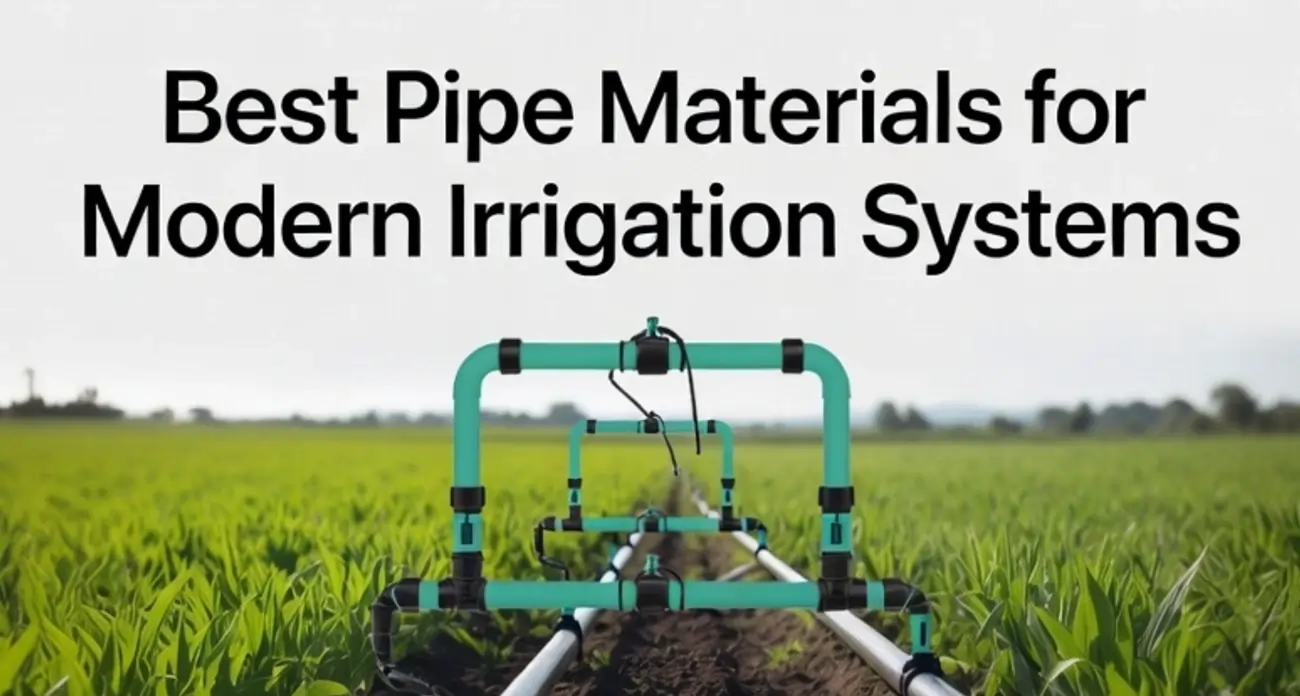

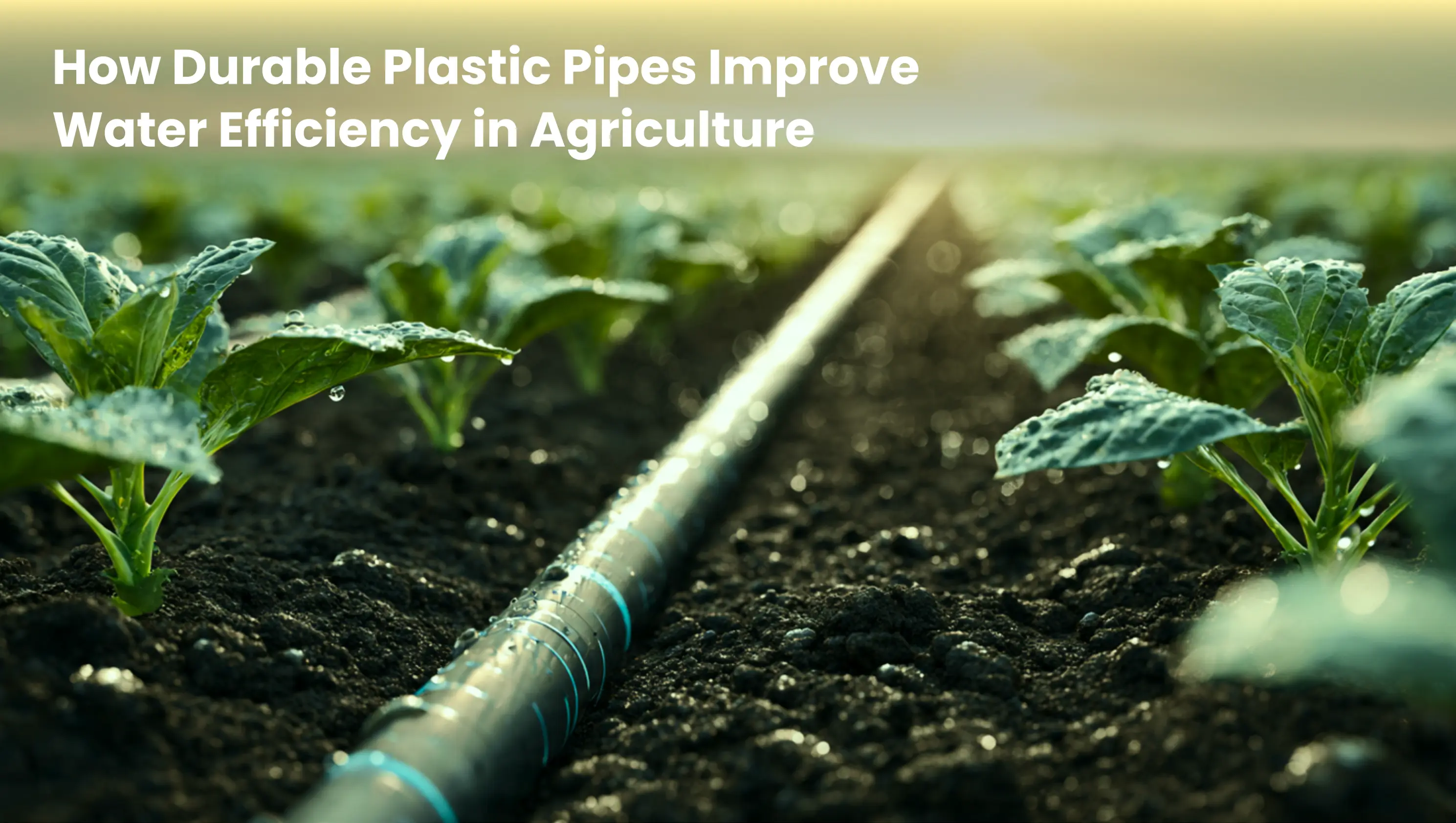
Water is the backbone of agriculture. Yet, farmers across the world continue to face challenges related to water scarcity, unpredictable weather, and rising irrigation costs. In this landscape, durable plastic pipes have emerged as a reliable and efficient solution for modern irrigation systems. With better water flow, reduced leakage, long service life, and compatibility with advanced systems, they are steadily reshaping how farms manage every drop.
This article explores how long-lasting pipe systems improve water efficiency, reduce wastage, and support sustainable farming practices. You’ll also understand the role of plastic irrigation PVC and HDPE pipes, and modern fittings that help reduce operational costs while maximizing crop yield.
Why Durable Plastic Pipes Matter in Modern Farming
Traditional metal pipes struggle with corrosion, sediment build-up, and frequent leakage. Over time, these issues disrupt the water supply, weaken pressure, and lead to higher maintenance costs.
In comparison, agricultural plastic pipes offer several advantages:
Farmers today are shifting toward long-lasting irrigation pipes for two reasons: better durability and improved water control.
How Plastic Irrigation Pipes Reduce Water Wastage
Farm irrigation systems lose a significant amount of water due to:
Using leak-proof pipe fittings for agriculture along with modern pipe materials reduces these issues dramatically. Let’s look at some clear benefits:
1. Reduced Leakage Through Modern Fittings
High-quality irrigation pipe fittings ensure that joints remain tight and stable even during heavy water flow. A strong joint means less water loss and more efficient crop hydration.
2. Smooth Internal Flow Helps Reduce Blockages
Corrosion-free plastic pipes have smooth internal walls that reduce friction and prevent sediment accumulation. This results in steady flow and lower pumping costs.
3. Better Pressure Handling in Every Irrigation Method
Whether it’s sprinkler irrigation, drip systems, or micro-irrigation setups, durable pipes distribute water more evenly across fields.
4. Optimized Water Distribution Across Fields
Modern farms rely on pipes that maintain consistent flow from the pump to the crop line. This stability supports efficient water distribution for crops and allows farmers to reduce overall usage.
Types of Plastic Pipes That Enhance Water Efficiency
1. Durable PVC Pipes for Farming
PVC remain a popular choice because they are lightweight, cost-effective, and easy to install. Farmers prefer them for:
a. Water supply lines
2. HDPE Pipes for Agriculture
HDPE offer strong resistance to high pressure, chemicals, and temperature variations. They are often used for:
a. Large-scale water distribution
3. Drip Irrigation
Drip lines deliver water directly to the root zone, reducing evaporation and surface runoff. Farmers looking to understand how to reduce water wastage in farming often choose drip systems for this reason.
4. Micro-Irrigation Pipes
These pipes support precision farming and are ideal for vegetables, orchards, and crops requiring controlled hydration.
5. Sprinkler Irrigation Pipes
Sprinklers work well in open fields and require pipes that can handle varying water pressure. Durable plastic pipes prevent burst risks and keep sprinkler systems performing consistently.
How Durable Pipes Support Sustainable Irrigation Methods
Sustainability in farming does not only mean saving water—it also means creating a pipeline system that lasts for years without frequent replacement. Here’s how:
1. Lower Maintenance Results in Long-Term Savings
Durable pipes reduce the need for constant repairs, pump replacements, and pipe patchwork. This helps farmers focus on crop quality rather than maintenance issues.
2. Compatible With Modern Irrigation Technology
Today’s farms use advanced tools such as soil moisture sensors, smart irrigation timers, and automated valves. Modern agriculture pipe technology integrates easily with these systems, improving irrigation timing and reducing waste.
3. Better Flow Control Supports Climate-Resilient Farming
Climate change has increased stress on water supplies. Durable plastic piping helps farmers adapt by ensuring consistent irrigation even in uncertain conditions.
Preventing Water Loss Through Better Pipeline Infrastructure
1. Strong Piping Reduces Pressure Drops
If a pipeline loses pressure suddenly, crops receive uneven water supply. Using plastic water pipes for farming ensures uniform pressure from the water source to the field.
2. Protection Against Cracks and Heat Damage
In high-temperature zones, the right pipe material is crucial. Pipes for high-temperature farming areas—especially HDPE—maintain structural stability and prevent breakage.
3. Preventing Leakage in Farms
Farmers often ask how to prevent pipe leakage in farms. The answer lies in:
a. High-quality materials
A system using durable pipes combined with leak-proof agricultural fittings significantly reduces the risk of failure.
Why Plastic Pipes Are the Best Choice for Water Efficiency
Compared to traditional materials, plastic-based irrigation systems provide clear benefits:
a. No rusting or corrosion
Even for farmers searching for affordable irrigation pipes, durable plastic options remain cost-efficient both in the short and long term.
How Durable Pipes Affect Crop Health and Yield
A stable irrigation system ensures that crops receive the right amount of water at the right time. This leads to:
When optimized water distribution becomes part of the farm’s daily operation, crops experience consistent hydration, leading to improved yield quality.
Selecting the Best Pipes for Agricultural Irrigation
Farmers often look for guidance on choosing the right piping system. Here are important factors to consider:
1. Pressure Requirements
Different crops and irrigation methods require varying pressure levels. Choose pipes that can handle your pump’s maximum output.
2. Soil and Climate
Hard soils or high-heat regions need pipes designed to withstand tough conditions.
3. Irrigation Type
4. Durability and Life Expectancy
Look for pipes that guarantee long-term use and minimal maintenance.
5. Supplier Quality
Trusted agricultural pipe suppliers and plastic pipe dealers for agriculture ensure that farmers get tested and certified products.
The Role of Pipeline Infrastructure in Modern Farms
A strong farm pipeline infrastructure does more than transport water. It supports planning, crop rotation, and expansion. With durable, stable pipes, farmers can easily extend their irrigation reach as their land grows.
Where to Buy Plastic Pipes for Agriculture
Farmers can explore:
Many brands offer customized irrigation solutions, but Alogive Industries stands out as one of the best for delivering systems tailored to crop type, soil conditions, and field layout.
Conclusion: Durable Plastic Pipes Are the Foundation of Efficient Irrigation
Water efficiency is no longer an option—it is essential for long-term agricultural sustainability. With rising water scarcity and increasing pressure on food production, durable plastic irrigation systems offer a reliable path forward.
Whether it’s HDPE, PVC, drip systems, or advanced micro-irrigation pipes, the right choice of materials drastically reduces water loss, improves distribution, and strengthens farm productivity. When combined with modern fittings and sustainable practices, these systems help farmers save water, reduce costs, and improve crop health—all while ensuring long-term infrastructure performance.
Durable plastic pipes have become more than just components of irrigation systems—they are key elements in building resilient, water-efficient, and future-ready farms.