
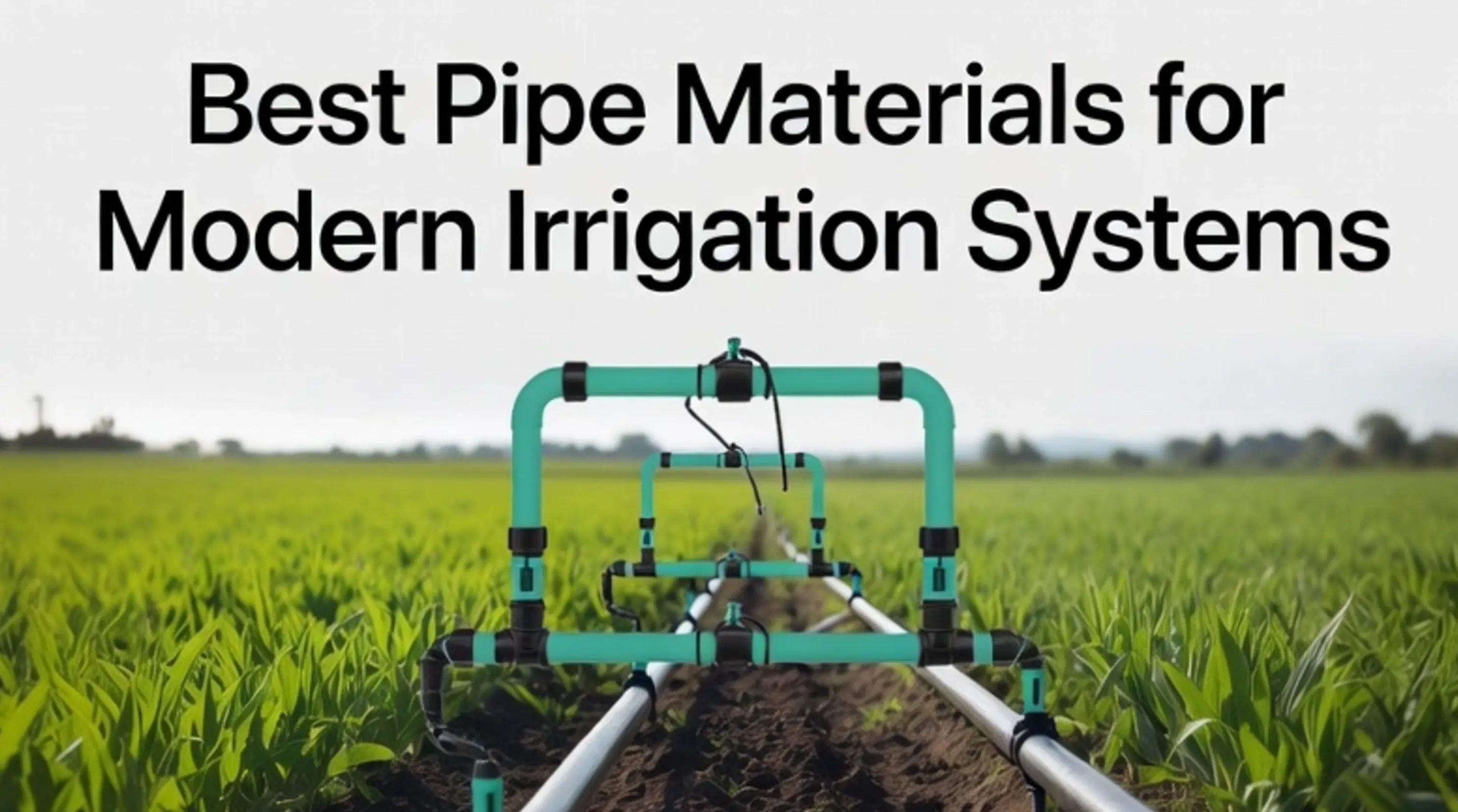
Efficient irrigation is the backbone of modern agriculture, especially in regions where water conservation is critical. Choosing the best pipe materials for irrigation systems directly impacts water efficiency, crop yield, and long-term operational costs.
Whether you are managing a small farm or planning large-scale irrigation systems, selecting the right irrigation pipe materials is essential for building a reliable and sustainable water distribution network.
Why Pipe Material Matters in Irrigation Systems
Irrigation systems are designed to deliver water efficiently across farmland. The performance of these systems depends heavily on the quality and type of pipes used.
High-quality pipes for irrigation systems ensure:
With growing demand for water-efficient irrigation systems, farmers and contractors are increasingly choosing durable and corrosion resistant pipes for irrigation systems.
Common Pipe Materials Used in Modern Irrigation
Understanding different materials helps in selecting the best pipes for agriculture irrigation based on specific needs.
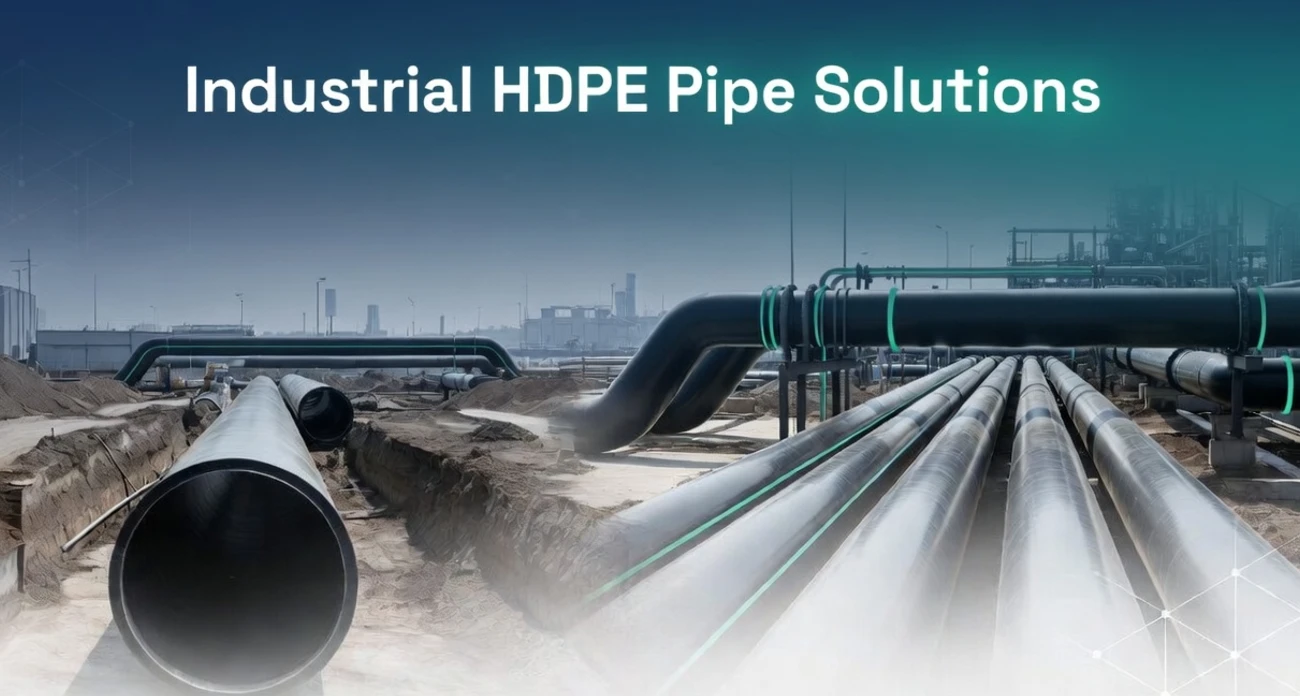
1. HDPE Pipes (High-Density Polyethylene)
HDPE pipes for irrigation are widely used due to their flexibility and strength.
Key Benefits:
HDPE is considered one of the best pipe materials for drip irrigation systems, especially in large farms.
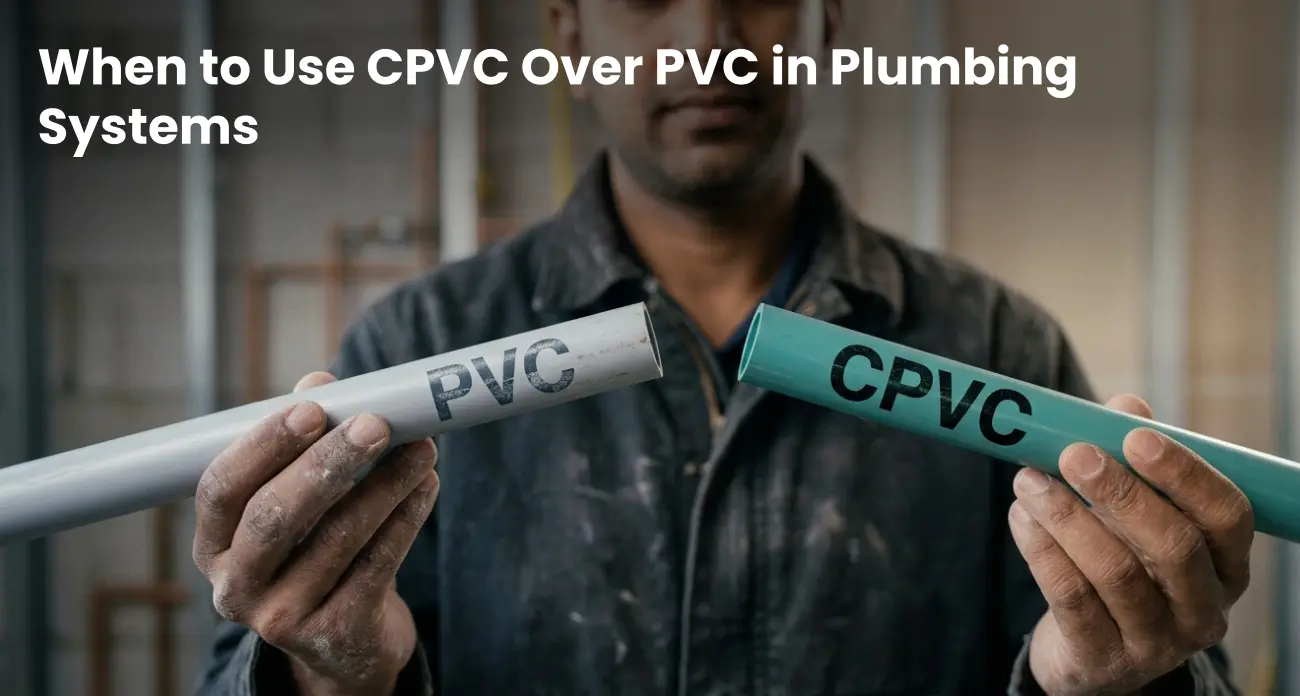
2. PVC Pipes (Polyvinyl Chloride)
PVC pipes for irrigation systems are commonly used in agriculture due to affordability and ease of installation.
Advantages:
However, PVC pipes are less flexible compared to HDPE and may not be ideal for all terrains.
3. UPVC Pipes (Unplasticized PVC)
UPVC pipes for irrigation are known for their rigidity and durability.
Features:
UPVC is a great option for structured irrigation layouts.
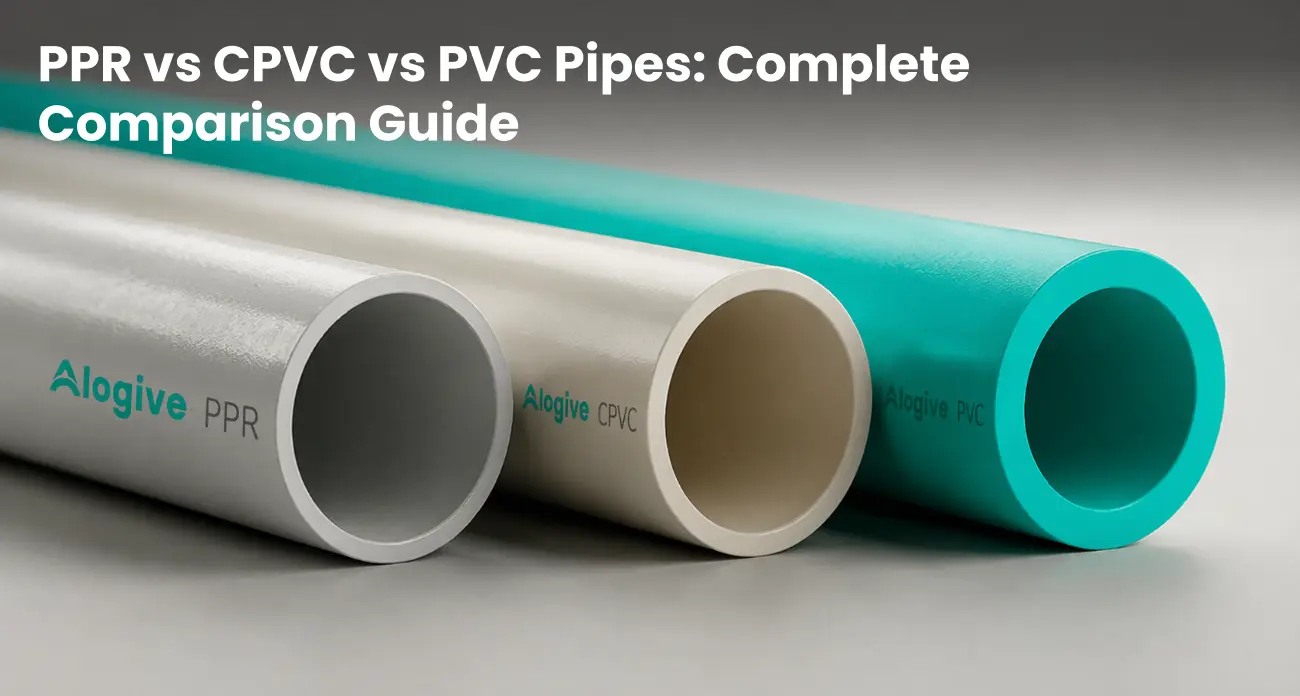
4. PPR Pipes (Polypropylene Random Copolymer)
PPR pipes for irrigation systems are gaining popularity in advanced agricultural projects.
Benefits:
5. Polyethylene (PE) Pipes
Polyethylene pipes for irrigation are versatile and widely used in farming.
Why choose PE pipes:
HDPE vs PVC Pipes for Irrigation Systems
A common question farmers ask is: which pipe is best for agricultural irrigation?
Here’s a quick comparison:
| Feature | HDPE Pipes | PVC Pipes |
|---|---|---|
| Flexibility | High | Low |
| Durability | Very High | Moderate |
| Cost | Slightly Higher | Lower |
| Installation | Fusion welding | Simple joints |
| Best Use | Drip & underground systems | Sprinkler & surface systems |
Conclusion:
How to Choose the Right Irrigation Pipe Material
Selecting the right material requires careful evaluation. Here is a simple irrigation pipe selection guide:
1. Type of Irrigation System
2. Farm Size
3. Water Quality
4. Terrain Conditions
5. Budget and Lifecycle Cost
Consider both irrigation pipe price and long-term maintenance costs.
Benefits of Using High-Quality Irrigation Pipes
Using high quality irrigation pipes offers significant advantages:
Modern agriculture depends on durable agricultural piping that supports sustainable farming practices.
Importance of Leak-Proof and Corrosion Resistant Pipes
Water loss is one of the biggest challenges in irrigation. Using leak proof irrigation pipes ensures efficient water usage.
Additionally, corrosion resistant pipes for irrigation systems are essential in regions with harsh soil or water conditions, ensuring long-term reliability.
Growing Demand in GCC Region
Countries like UAE, Saudi Arabia, Qatar, Oman, and Bahrain are investing heavily in advanced irrigation systems due to limited water resources.
This has increased demand for:
Farmers and contractors in these regions prefer sustainable irrigation solutions that maximize efficiency and reduce water consumption.
Future of Irrigation Pipe Materials
With advancements in agriculture, the focus is shifting toward:
Modern plastic pipes for irrigation systems are evolving to meet these demands, ensuring better performance and sustainability.
Conclusion
Choosing the best pipe materials for irrigation systems is crucial for building efficient and reliable agricultural infrastructure. From HDPE pipes for irrigation to PVC and UPVC options, each material offers unique advantages depending on the application.
By understanding your requirements and selecting the right irrigation pipe materials, you can achieve better water management, reduce costs, and improve crop productivity.
For farmers, contractors, and agricultural planners, investing in the right pipes for irrigation systems is not just a choice—it’s a long-term strategy for sustainable farming success.
FAQs
What are the best pipe materials for modern irrigation systems?
The best pipe materials for modern irrigation systems include HDPE, PVC, UPVC, and polyethylene (PE). HDPE pipes are ideal for flexibility and durability, PVC pipes are cost-effective and easy to install, while UPVC offers strength for fixed systems. The right choice depends on farm size, water pressure, and terrain conditions.
Which pipe is better for irrigation: HDPE or PVC?
HDPE pipes are better for drip irrigation and uneven terrain due to their flexibility and long lifespan. PVC pipes, on the other hand, are suitable for sprinkler systems and flat land because they are rigid, affordable, and easy to install. Choosing between them depends on your irrigation type and budget.
Why is pipe material important in irrigation systems?
Pipe material directly impacts water efficiency, durability, and maintenance costs. High-quality irrigation pipes reduce leakage, maintain consistent water pressure, and withstand environmental conditions. Selecting the right material ensures long-term performance and better crop productivity.
How do I choose the right irrigation pipe material for my farm?
To choose the right irrigation pipe material, consider factors such as irrigation method (drip or sprinkler), farm size, water quality, terrain, and budget. Flexible pipes like HDPE are ideal for uneven land, while rigid pipes like PVC or UPVC work well for structured irrigation systems.
Are corrosion-resistant pipes necessary for irrigation systems?
Yes, corrosion-resistant pipes are essential, especially in areas with saline water or harsh soil conditions. Materials like HDPE and UPVC prevent damage from chemicals and moisture, ensuring long-lasting irrigation systems and reducing maintenance costs.