

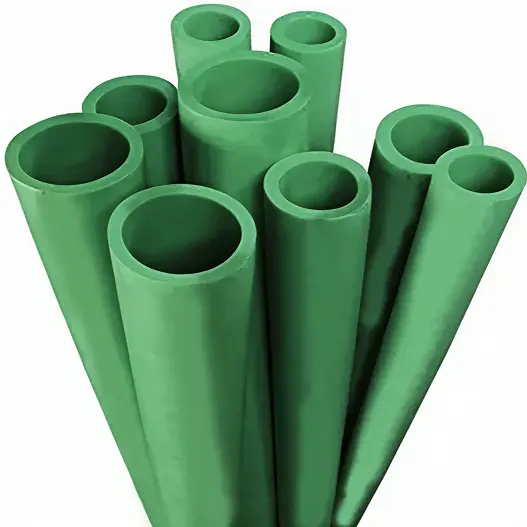
| Material Type | Polypropylene Random Copolymer (PPR) |
| Sizes Available | 20mm to 160mm |
| Standards Met | ISO 15874, DIN 8077/8078 |
| Pressure Rating | PN 10, PN 16, PN 20, PN 25 |
| Lifespan | 50+ years (normal use conditions) |
| Jointing Options | Socket fusion welding |
| Temperature Range | Up to 95°C |
| Colors | Green, White, or Blue |
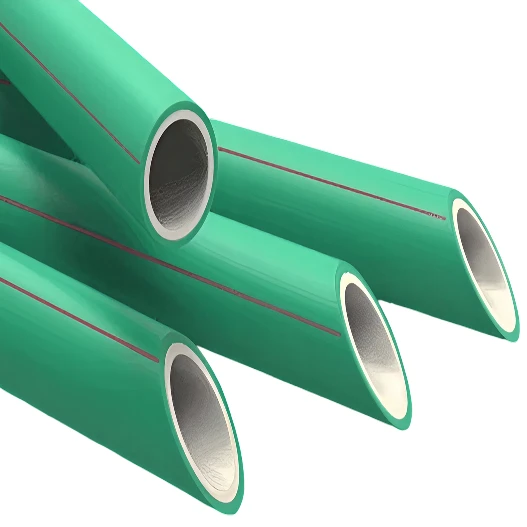
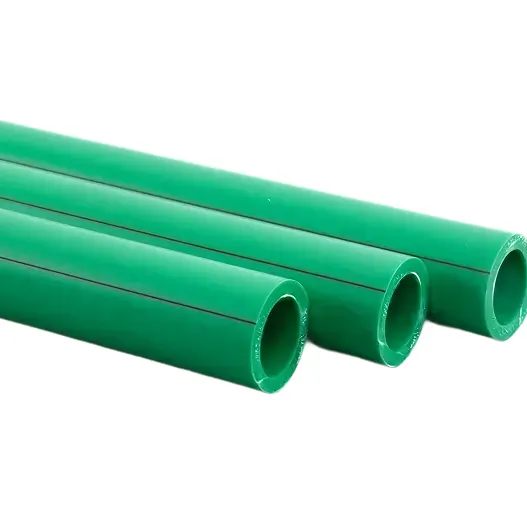
Alogive Industries is a leading supplier and trader of high-quality PPR (Polypropylene Random Copolymer) Pipes, offering superior piping solutions for hot and cold water systems. Engineered for durability, chemical resistance, and high-pressure performance, our PPR pipes are widely used in residential, commercial, and industrial applications. Ideal for plumbing, HVAC, chemical transport, and water supply, PPR pipes are known for their longevity, leak-proof joints, and high thermal endurance.
PN 10–25, Sizes: 20mm to 160mm, ISO 15874 compliant
High temp resistance up to 95°C, PN 20–25, used in HVAC & geysers
Multi-layered, reduced thermal expansion, ideal for solar & radiant systems
Full range of elbows, tees, couplers, flanges, etc.


International standard for PPR pipe systems

German quality standards

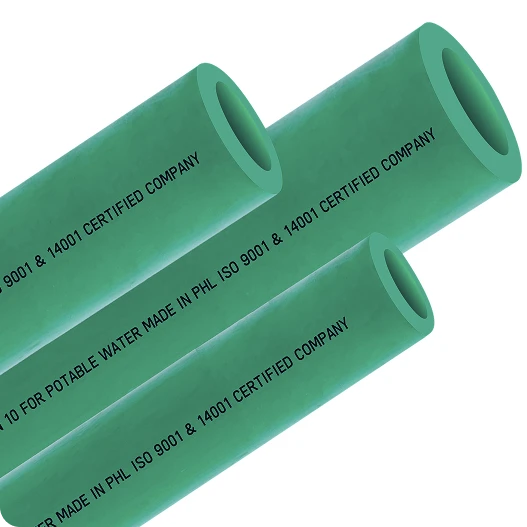
Safe for potable water

Approved for medical and biotech uses







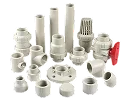
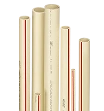
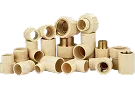
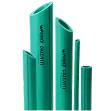
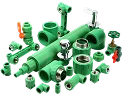
PPR pipes, also known as Polypropylene Random Copolymer pipes, are advanced thermoplastic piping solutions widely used for transporting hot and cold water. They are commonly installed in residential plumbing systems, commercial buildings, hospitals, hotels, and industrial facilities. Because of their corrosion resistance and durability, PPR pipes are also suitable for HVAC systems, compressed air networks, and fluid transfer lines.
PPR pipes have become a preferred choice because they combine strength, chemical resistance, and long service life. Unlike traditional metal piping, PPR pipes remain completely resistant to rust and corrosion. Compared to PVC systems, PPR pipes can withstand higher temperatures and pressure levels, making them more reliable for hot and cold water applications. Their fusion welding process also creates leak-free joints, improving system safety and efficiency.
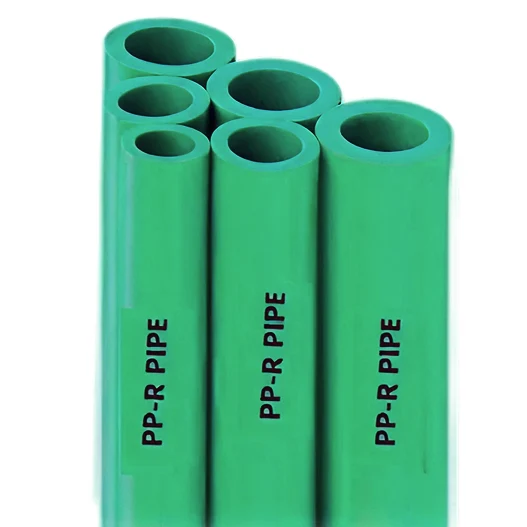
PPR pipes are typically available in sizes ranging from 20 mm to 160 mm, supporting both small residential plumbing networks and large commercial infrastructure systems. Common pressure ratings include PN10, PN16, and PN20, allowing engineers and contractors to select the appropriate pipe based on the system’s pressure requirements. These pipes usually follow international standards such as DIN 8077 and DIN 8078.
Yes, PPR pipes are specifically engineered for hot water distribution systems. They can withstand temperatures up to 95°C, which makes them suitable for residential bathrooms, commercial kitchens, hospitals, hotels, and industrial heating installations. Their thermal stability helps maintain performance even with continuous hot water flow.
When installed correctly and operated under standard conditions, PPR piping systems can last more than 50 years. Their resistance to scale buildup, chemical reactions, and pressure fluctuations helps maintain consistent performance for decades. This long lifespan makes them a cost-effective piping solution for construction projects.
PPR pipes are installed using polyfusion welding, a heat-based technique that fuses the pipe and fitting together at the molecular level. This method creates a permanent and leak-proof connection, ensuring the piping system remains secure and maintenance-free throughout its service life.
Yes. PPR pipes are manufactured using non-toxic and food-grade polypropylene material, which ensures that the transported water remains clean, odor-free, and safe for human consumption. Because of these hygienic properties, they are widely used in drinking water pipelines and domestic plumbing systems.
PPR pipes are suitable for many industrial applications due to their excellent chemical resistance and pressure tolerance. They can safely transport acids, alkalis, industrial liquids, and compressed air, making them useful in sectors such as chemical processing, pharmaceuticals, food production, and manufacturing.
Yes. PPR pipes are considered an eco-friendly piping solution because they are fully recyclable, free from harmful chemicals, and designed for long service life. Their insulation properties also help reduce heat loss in hot water systems, contributing to improved energy efficiency in modern buildings.
Many construction companies, plumbing contractors, and infrastructure developers rely on trusted PPR pipe suppliers in the UAE for consistent quality and supply. A reliable supplier should provide certified products, multiple pipe sizes, technical support, and quick delivery for residential, commercial, and industrial projects across the UAE.
Yes. Most established PPR pipe suppliers in the UAE offer bulk supply options for contractors, builders, and infrastructure projects. These suppliers typically maintain large inventories and provide project-based pricing, logistics support, and technical guidance to ensure smooth installation and timely project completion.
To request a quote, product specifications, or installation guidance, you can contact a PPR pipe supplier in the UAE through their website, email, or direct phone support. Most suppliers provide assistance in selecting the correct pipe size, pressure rating, and fittings based on your project requirements

End-to-end payments and financial management in a single solution. Meet the right platform to help realize.