
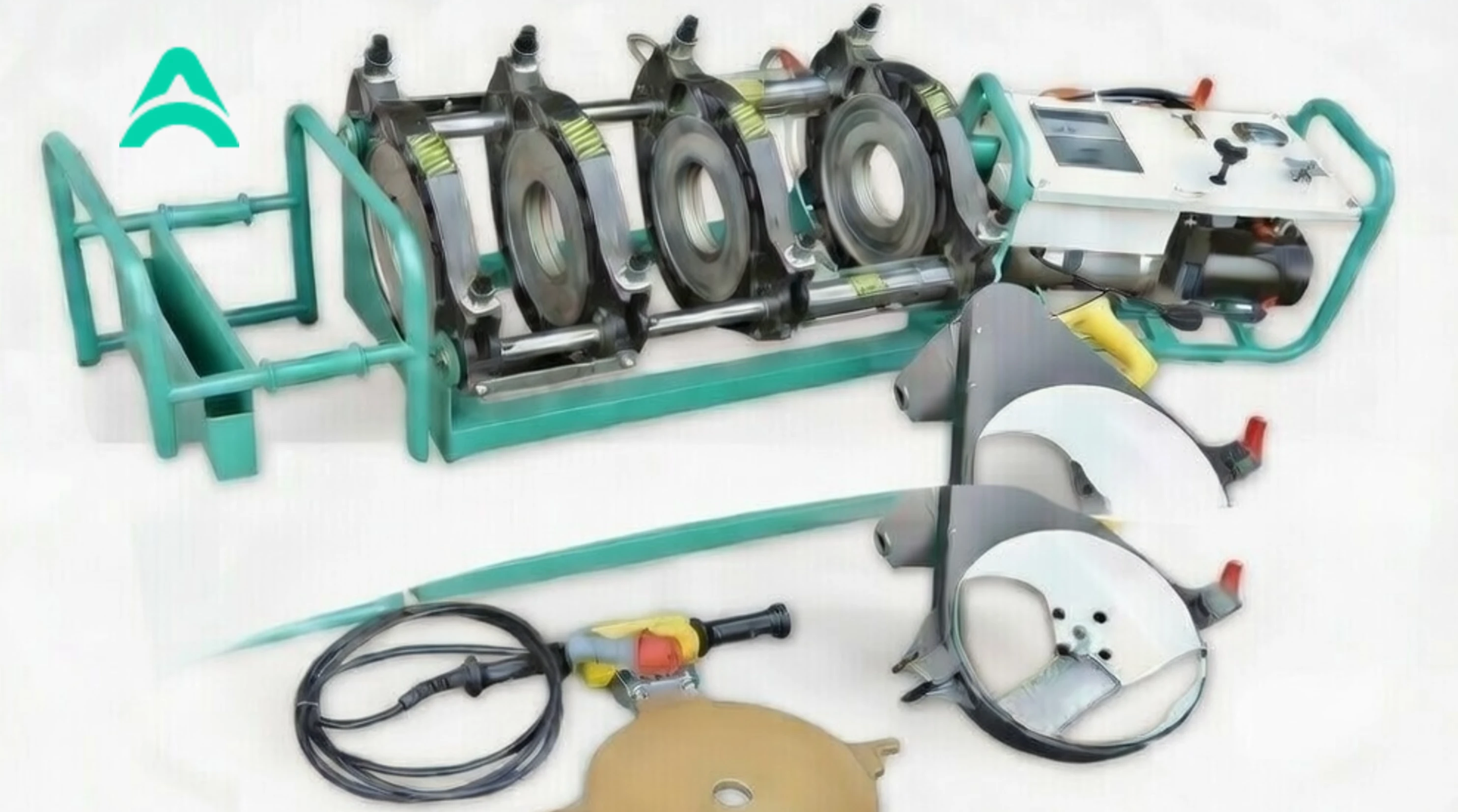
In the fast-growing infrastructure landscape of the GCC, the Butt fusion welding machine has become a mission-critical asset for pipeline contractors, water authorities, oil & gas operators, and industrial developers. From HDPE water networks in the UAE to high-pressure pipeline projects in Saudi Arabia and Qatar, precision pipe joining is non-negotiable.
But here’s the real question buyers are asking in 2026:
Why do serious Gulf industries prefer professional butt fusion welding machine suppliers instead of low-cost alternatives?
The Growing Demand for Butt Fusion Technology in the Gulf
Across the GCC, HDPE and PE piping systems are replacing traditional materials due to corrosion resistance, flexibility, and long service life. This shift has sharply increased demand for:
Whether it’s desalination plants in Dubai or industrial utilities in Abu Dhabi, the butt fusion welding process HDPE remains the gold standard for leak-proof pipe joints.
Why? Because butt fusion creates a homogeneous joint — essentially turning two pipes into one continuous pipeline.
What Makes Professional Suppliers the First Choice
1. Proven Machine Reliability in Harsh Gulf Conditions
The GCC environment is unforgiving — extreme heat, dust, and remote project sites. Professional suppliers provide industrial models designed for:
Cheap machines often fail calibration, leading to weak welds — a costly risk for pipeline contractors.
2. Complete Range for Every Project Size
Trusted suppliers don’t just sell one model — they provide a full portfolio such as:
This matters because what size machine do I need is one of the most common buyer questions.
Quick Capacity Insight
| Pipe OD Range | Typical Application |
|---|---|
| 63–160 mm | Building services |
| 200–315 mm | Municipal water |
| 355–630 mm | Industrial pipelines |
| 630 mm+ | Oil & gas transmission |
A professional butt fusion machine selection guide ensures you buy correctly the first time.
Manual vs Hydraulic: What Gulf Buyers Prefer
Manual Welding Machine
Best for:
Pros:
Limitations:
Hydraulic Butt Fusion
Best for:
Advantages:
Most serious buyers looking to buy butt fusion machine Gulf markets choose hydraulic or CNC systems for reliability.
How to Choose Welding Machine
If you're evaluating the best, focus on these decision factors:
Pipe Size Range
Match your project OD with the machine’s clamping capacity.
Heating Plate Quality
A uniform temperature plate is essential. Follow the HDPE pipe welding temperature guide (typically ~200–220°C).
Hydraulic System Stability
For large projects, always prefer a hydraulic with pressure gauge accuracy.
Automation Level
After-Sales Support in GCC
This is where many low-cost imports fail. A trusted supplier UAE provides:
Why Pipeline Contractors in the GCC Prefer Certified Suppliers
Professional HDPE fusion machine supplier Gulf companies understand regional compliance. Their machines typically meet:
For contractors handling butt fusion machine for pipeline contractors, certification is often mandatory for project approval.
Application Areas Driving Demand in the Gulf
The surge in HDPE pipe fusion equipment demand is fueled by multiple sectors:
Water Infrastructure
Cities across the UAE rely on HDPE welding machine for water pipeline UAE installations for: Potable water networks, irrigation systems and desalination distribution.
Oil & Gas Projects
Heavy-duty for oil and gas GCC applications require: High pressure tolerance, thick-wall pipe welding and precise hydraulic control.
Industrial Utilities
Factories in Dubai, Sharjah, and Abu Dhabi increasingly deploy fusion machine for PE pipes in: cooling water lines, chemical transfer and process piping.
Regional Buying Trends Across the GCC
Demand is no longer limited to the UAE. Buyers frequently asking for:
This reflects a region-wide infrastructure boom — and a strong shift toward professional suppliers.
Butt Fusion Machine Price UAE: What Influences Cost
Many buyers focus only on price — but smart procurement teams evaluate total value.
Key price drivers:
Typical market insight (indicative):
When planning to buy HDPE welding machine, always compare lifecycle cost — not just upfront price.
Final Thoughts:
Gulf industries don’t compromise on pipeline integrity — and neither should you. The right Butt fusion welding machine is not just equipment; it’s the backbone of leak-free, long-life HDPE infrastructure.
Smart buyers in the GCC prioritize suppliers who offer:
If you’re planning to buy a butt fusion machine in Gulf markets, invest in a professional supplier who understands local project realities. Companies like Alogive Industries, recognized among the top suppliers in the region, provide the technical expertise, certified equipment, and after-sales support required for demanding GCC projects. The upfront decision directly impacts weld quality, project timelines, and long-term pipeline reliability.
Quick FAQ
Q: What size butt fusion machine do I need?
It depends on your pipe outer diameter (OD). Most municipal projects use 200–630 mm, while building services may only require 63–160 mm.
Q: What is the ideal HDPE welding temperature?
Typically between 200°C and 220°C, but always follow the pipe manufacturer’s welding chart.
Q: Manual vs hydraulic butt fusion — which is better?
Manual machines suit small jobs, while hydraulic systems are preferred for professional pipeline work due to precision and consistency.
Q: Where can I buy HDPE welding machine UAE?
Always choose an established butt fusion supplier in UAE that provides local service, spare parts, and technical support.